
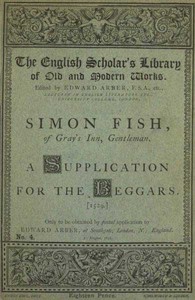
A Supplication for the Beggars by Simon Fish
Let's set the scene: England, 1529. King Henry VIII is on the throne, but the real power seems to lie with the Church. Monasteries own huge chunks of land, and the clergy collects taxes from everyone. Into this tense atmosphere comes a document that doesn't have a plot in the traditional sense. It's a direct appeal, or 'supplication,' written to the King.
The Story
The 'story' here is an argument. The writer (published anonymously, but credited to Simon Fish) speaks as the voice of England's poor, the 'beggars' of the title. He lays out a shocking case. He claims the countless monks, friars, and bishops are not holy men helping the poor, but greedy parasites. They suck the country's wealth dry through taxes and fees, leaving honest farmers and workers destitute. He lists their alleged crimes: stealing land, corrupting justice, and living in luxury while true beggars starve. His solution is radical: King Henry should seize the Church's vast wealth and use it to help his actual people. It's a bold, dangerous proposal that cuts right to the heart of the era's biggest power struggle.
Why You Should Read It
This isn't about balanced reporting. It's propaganda, and that's what makes it so gripping. You're not getting a textbook summary; you're inside the head of someone risking everything to change their world. The anger and frustration on the page are real and raw. It helps you understand the simmering public resentment that allowed Henry VIII to later break from Rome. You see how ideas, even exaggerated ones, can fuel revolutions. Reading it, you start to picture who might have secretly passed these pamphlets around, reading them by candlelight. It makes history feel immediate and human, not just a list of dates.
Final Verdict
Perfect for anyone who loves history that feels alive and contentious. If you enjoyed the political intrigue of shows like The Tudors or books like Hilary Mantel's Wolf Hall, this is the primary source that shows you where that tension came from. It's also great for readers interested in the power of protest writing. Just remember, you're reading one very passionate, very biased side of the story—and that's exactly the point. It's a short, fiery shot of 16th-century outrage.
This work has been identified as being free of known copyright restrictions. It is available for public use and education.
Matthew Miller
9 months agoIf you enjoy this genre, the storytelling feels authentic and emotionally grounded. Don't hesitate to start reading.
Andrew Smith
1 year agoText is crisp, making it easy to focus.
Andrew Clark
1 year agoJust what I was looking for.
Edward Wilson
9 months agoGood quality content.



Jennifer Walker
11 months agoI stumbled upon this title and the clarity of the writing makes this accessible. Absolutely essential reading.